Diploplia
Diplopia occurs when the affected individual has double vision. This condition ranges in severity and, in some cases, can hurt the quality of life that an individual experiences. There are several causes of diplopia, and the first step is to understand the underlying cause of the condition. This, in turn, informs the treatment approach that will be used to correct this anomaly.

Understanding Diploplia
Diplopia has a variety of causes and, depending on this, can present different symptoms. The condition can take one of the following two forms. It can be monocular, which affects a single eye, or binocular, which affects both eyes. If monocular diplopia persists even when the unaffected eye is closed, the cause of the problem is likely to be in the eye itself. This can be due to corneal abnormalities, astigmatism, or cataracts. If the problem resolves when one eye is covered, the cause could be eye misalignment, which is typically caused by defects in the muscles that coordinate eye movement. If some muscles are weaker than others, it could lead to a situation where the eyes cannot focus on a single object. This often leads to multiple images being transferred to the brain and thus leading to double vision. This lack of coordination in the movement of the eyes can be due to medical conditions such as strabismus or cranial nerve palsy.
Neurological conditions such as multiple sclerosis, brain tumors, or stroke could also affect the brain’s ability to process input from the eyes. This can also lead to double vision. The underlying cause of diplopia influences the treatment type and the severity of the symptoms.

When Do You Need Diploplia Treatment?
It is essential to seek treatment when you notice double vision or observe certain symptoms in a child. While knowing when you have double vision is easy, seeing it in someone else, such as a child or a loved one, might be more complicated. Typically, children struggling with diplopia squint or cover one eye when they want to focus on something. The child may also suffer from eye strain and headaches. If double vision is accompanied by other symptoms such as numbness, difficulties in speaking, and weakness, it should be treated as a medical emergency as it could point to severe and life-threatening medical conditions such as stroke or a brain aneurysm.
When Do You Need Diploplia Treatment?
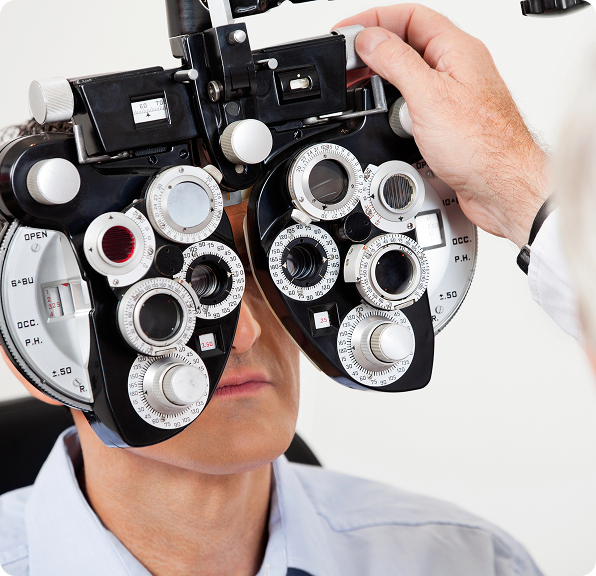
At Columbia Eye Associates, we understand that you want to keep your vision as sharp as possible for as long as possible. This is why we offer routine eye check-up services to our clients. These can help catch conditions such as diplopia early, ensuring that treatment is administered correctly.
For more information about our diploplia specialists in Lake City, Live Oak, and Gainesville, FL, please fill out our contact form, and we’ll be in touch shortly.
We Are Available At

Get in touch with us at the following locations for top-quality eye checkups.