Vision Loss After Stroke or Brain Injury
Vision loss following a stroke or brain injury can be a life-changing experience. It can affect a person’s ability to perform daily tasks and cause frustration or anxiety. This type of vision loss is often linked to brain damage and can impact different areas of sight.
Understanding the different types of visual changes and how they affect individuals after such an event is important. Columbia Eye Associates is here to help you navigate this challenge and restore your quality of life for yourself or your loved one.
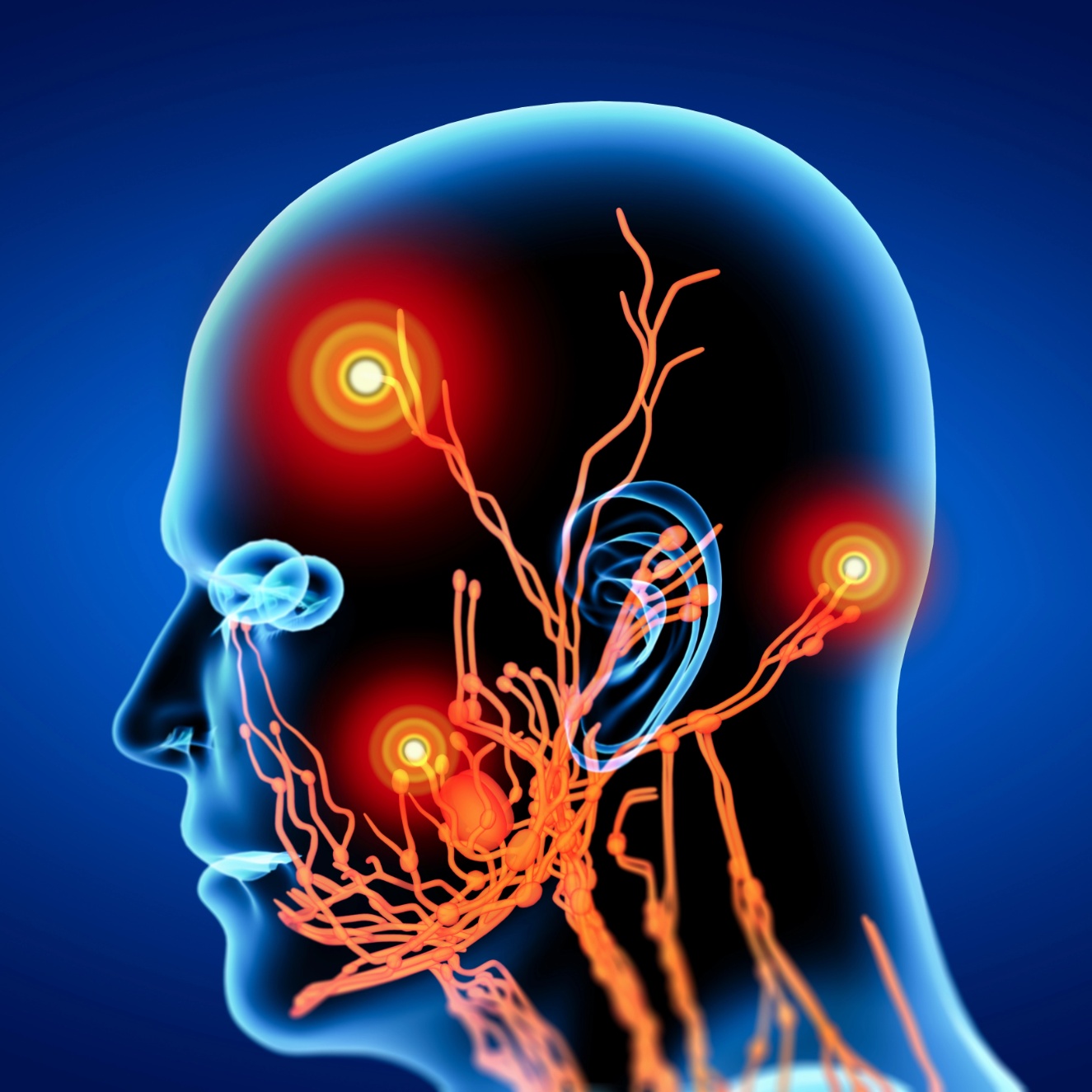
Understanding Vision Loss After A Stroke Or Brain Injury
Vision loss after a stroke or brain injury can occur when the part of the brain that processes visual information is damaged. This may happen if the blood flow to certain areas of the brain is interrupted, as is common in strokes.
The brain's ability to interpret signals from the eyes may be affected, leading to various types of visual problems. One common type is called Hemianopsia, where a person loses vision in one half of their visual field. This can occur in both eyes, making it difficult to see objects to the left or right side.
In addition to Hemianopsia, some people experience visual neglect. This condition happens when the brain does not register stimuli from one side of the body, which can make it hard for people to recognize things on the side of their vision loss.
These conditions can significantly impact a person's daily life, from navigating familiar environments to performing routine tasks. Understanding the symptoms of vision loss is the first step in getting the right help to manage and improve the situation.
When Do You Need Treatment For Vision Loss After A Stroke Or Brain Injury?
If you or a loved one has suffered vision loss after a stroke or brain injury, it is important to seek treatment as soon as possible. The sooner you receive help, the better your chances of adapting to changes and learning strategies to make daily tasks easier. Here are five situations when treatment for vision loss is necessary:
- Loss of Side Vision: If you notice difficulty seeing objects to one side, this can be a sign of Hemianopsia. This loss of peripheral vision can create challenges with movement and spatial awareness.
- Safety Concerns While Walking: Vision loss can make it hard to walk safely in familiar areas. If you bump into objects or lose balance, treatment can help you adjust and regain confidence.
- Difficulty Reading or Watching TV: If reading or following along with TV becomes difficult due to vision loss, specialized glasses or techniques can help improve your ability to see words and images more clearly.
Why Choose Columbia Eye Associates?
We understand the challenges that come with visual impairments and are dedicated to helping our patients regain their independence. Our ophthalmologists and optometrists work together to create a personalized treatment plan that best suits each individual’s needs.
We use the latest technology to diagnose and treat various vision issues, ensuring that our patients receive the most accurate and effective care possible.
For more information about vision loss following a stroke or brain injury and available treatment options in Lake City, Live Oak, and Gainesville, FL, please fill out our contact form, and we will be in touch shortly.