Orbital (Eye Socket) Fractures
An eye socket (orbital) fracture occurs when one or more of the bones surrounding your eye are broken. The bones around the eye form a cavity known as the orbital socket. This socket holds your eye, muscles, blood vessels, and nerves in place.
These fractures can be the result of trauma, such as a car accident, a sports injury, or a blow to the face. The severity of an orbital fracture can vary, with some injuries healing on their own while others may require surgical intervention.
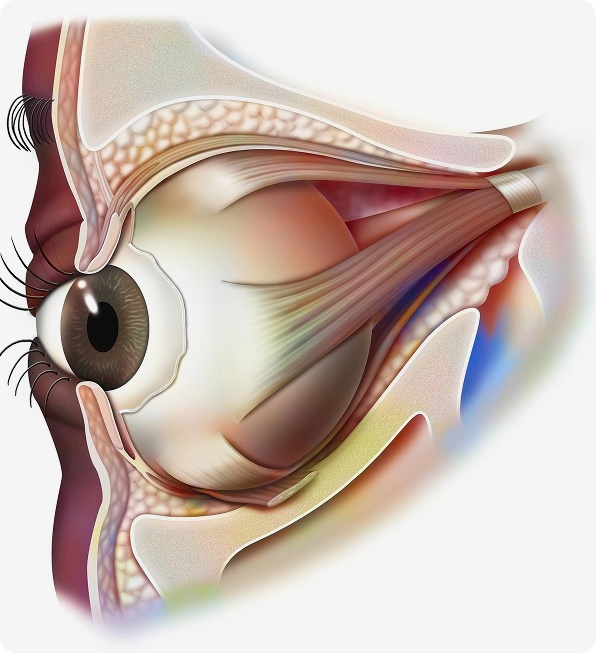
Understanding Eye Socket (Orbital) Fracture
Orbital fractures can affect any of the bones that make up the eye socket. There are different types of fractures, each depending on the area affected. The most common type is a blowout fracture, where the thin floor or walls of the eye socket break. This type of fracture often happens when something hits the eye with force, like a punch or a ball.
Another type is an orbital rim fracture, which involves the outer bones of the eye socket. These fractures are more serious and often occur in accidents such as car crashes. Finally, an orbital floor fracture occurs when the bones in the bottom of the eye socket are pushed downward, causing damage to the eye muscles and nerves.
Symptoms of an orbital fracture can include swelling, bruising around the eye, double vision, or difficulty moving the eye. In some cases, there may be no visible signs at all, making it important to pay attention to any changes in your vision or eye movement. Prompt diagnosis and treatment are important for preventing long-term complications.
When Do You Need Treatment For Eye Socket (Orbital) Fracture?
Not all orbital fractures need immediate treatment. Some minor fractures may heal on their own with rest and careful management. However, there are situations where treatment is required to prevent further damage. Here are five situations where you should seek treatment:
- Difficulty Moving the Eye: If you cannot move your eye in certain directions, it may indicate nerve or muscle damage. This can affect vision and the overall function of your eye.
- Double Vision: If you experience double vision, it could be a sign that the fracture is affecting the eye muscles or the nerves controlling eye movement.
- Severe Swelling or Pain: Extreme swelling or persistent pain around the eye can be a sign of a more serious fracture. Immediate treatment can help reduce the risk of complications.
- Blood or Fluid Leaking from the Eye: This could indicate damage to the eye or surrounding areas that requires medical attention to prevent infection or further injury.
- Visible Changes in the Eye's Position: If your eye looks sunken or protrudes, this may be a sign of a more serious fracture that needs prompt intervention to avoid lasting visual impairment.
Why Choose Columbia Eye Associates?
Our team of experienced ophthalmologists and optometrists works together to ensure that every patient receives the best possible treatment. We use advanced diagnostic tools to evaluate each injury carefully and recommend the most appropriate treatment plan.
We focus on treating every patient with the utmost care and compassion and work hard to ensure that you feel comfortable and informed throughout your treatment process.
For more information about treating eye socket (orbital) fractures in Lake City, Live Oak, and Gainesville, FL, please fill out our contact form, and we’ll be in touch shortly.