Headaches & Nystagmus (Involuntary Eye Movements)
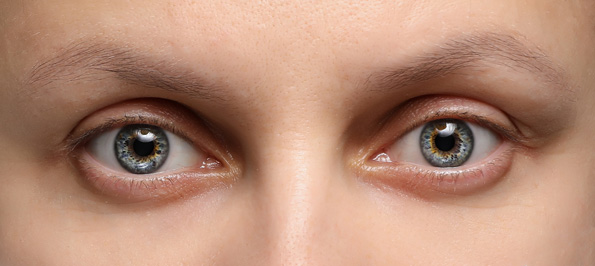
More Than a Headache: What Your Eyes and Head Pain May Be Telling You
Headaches are one of the most common reasons people visit a doctor — and one of the most frequently overlooked connections to eye health. If you experience frequent headaches, particularly those that accompany visual disturbances or unusual eye movements, your eyes may be at the center of the problem. At Columbia Eye Associates, we evaluate the relationship between eye health and headache patterns to help patients find real answers — and real relief.
The Eye-Headache Connection
Not all headaches are created equal. Tension headaches, migraines, sinus headaches, and headaches caused by eye strain can all feel similar but have very different origins. Eye-related headaches often develop when the visual system is working harder than it should — struggling to compensate for uncorrected refractive errors, poor eye coordination, or focusing difficulties. Over time, this strain manifests as pain around the eyes, across the forehead, or at the back of the head.
More concerning are headaches that come with red flag symptoms: pain that's worse in the morning, that worsens when lying down or straining, that's accompanied by nausea, vomiting, or visual disturbances, or that represents a sudden change from a patient's normal headache pattern. These presentations warrant urgent evaluation, as they can indicate elevated pressure within the skull or other neurological conditions that are sometimes first detected through a comprehensive eye exam.
Understanding Nystagmus
Nystagmus is characterized by involuntary, repetitive eye movements — often described as eyes that drift or "dance" from side to side, up and down, or in a circular pattern. It can be present from birth (congenital nystagmus) or develop later in life due to an underlying medical condition (acquired nystagmus).
Congenital nystagmus often accompanies other visual conditions such as albinism, significant refractive errors, or optic nerve abnormalities. While it cannot always be fully corrected, proper management — including prescription lenses, prisms, and vision therapy — can significantly improve visual function and quality of life.
Acquired nystagmus, which develops after infancy, is a more urgent concern. It can be triggered by inner ear disorders, medications, neurological disease, multiple sclerosis, stroke, or even brain tumors. When nystagmus appears suddenly in an older child or adult, it requires thorough evaluation to identify and address the underlying cause.

When to Seek Evaluation
Many patients live with nystagmus or chronic headaches for years before receiving a proper diagnosis. This delay can allow the underlying cause — whether a vision problem or something more systemic — to progress unchecked.
If you or your child experiences frequent headaches that seem tied to visual tasks like reading or screen time, or if you've noticed unusual eye movements that don't resolve, these are signs worth investigating. A comprehensive eye exam that includes testing of eye coordination, focusing ability, visual fields, and optic nerve health can reveal a great deal.
At Columbia Eye Associates, we take both headaches and nystagmus seriously — because treating the symptom isn't enough. We're committed to finding the source.
Schedule your evaluation today and take the first step toward understanding what your eyes and your headaches have been trying to tell you.