Brain Tumors & Optic Nerve Disorders Affecting Vision

Your Eyes May Be the First to Know: Brain Tumors and Optic Nerve Issues
When most people think about brain tumors, vision problems aren't the first symptom that comes to mind. Yet for many patients, it's an eye exam — not a brain scan — that first raises a red flag. The eyes and the brain are deeply interconnected, and disruptions along that visual pathway often show up in ways that a trained eye care professional can detect early. At Columbia Eye Associates, we take these signs seriously and work to identify and address optic nerve and neurological concerns before they lead to irreversible damage.
How Brain Tumors Affect Vision
The brain processes everything you see. When a tumor develops near the visual centers or pathways of the brain, it can interfere with that process in significant ways. Tumors pressing on the occipital lobe — the region responsible for visual processing — may cause blurred vision, light sensitivity, or blind spots. A tumor near the cerebellum can trigger nystagmus, the involuntary back-and-forth movement of the eyes. And when a tumor puts direct pressure on the optic nerve, the consequences can range from gradual vision loss to complete blindness if left untreated.
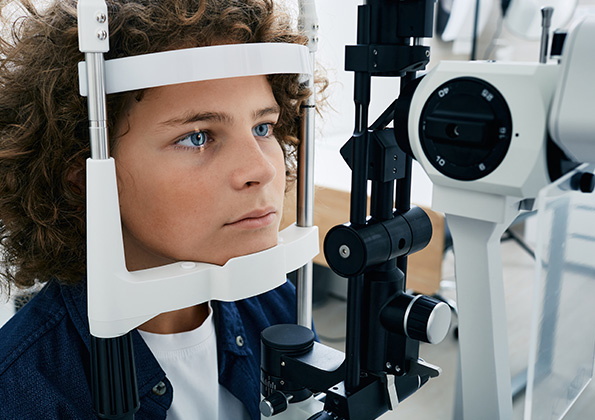
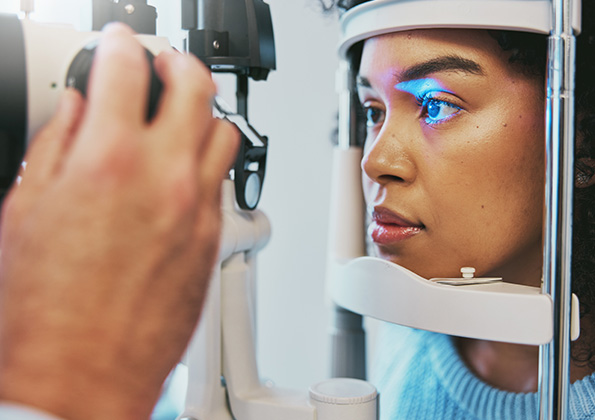
One of the most telling signs visible during a comprehensive eye exam is papilledema — swelling of the optic disc at the back of the eye. This swelling occurs when increased pressure inside the skull backs up into the optic nerve, causing it to swell. Because the optic disc is directly visible during an exam, eye doctors are uniquely positioned to catch this warning sign early, often before a patient even realizes something is wrong.
Optic Nerve Compression and Damage
Optic nerve compression doesn't only result from brain tumors. Bony growths, cysts, and other masses around the brain or orbit can press on the optic nerve and disrupt the signals it sends from the eye to the brain. Over time, without intervention, this compression can lead to optic neuropathy — permanent damage to the nerve fibers that cannot regenerate. The most common early symptom is a gradual decline in vision, often dismissed as normal aging or needing a new glasses prescription.
Visual field testing is one of the most powerful tools for detecting optic nerve involvement. Research has shown that visual field defects can appear months before neurological symptoms become obvious, making routine comprehensive eye exams a genuinely life-saving measure for some patients.
The Importance of Early Detection
The longer optic nerve compression goes unaddressed, the less likely vision is to recover — even after successful tumor treatment. Early diagnosis and prompt referral to the appropriate specialist can make the difference between preserved sight and permanent loss.
At Columbia Eye Associates, our team is trained to recognize the subtle ocular signs of neurological conditions and coordinate care with the right specialists when needed. If you're experiencing unexplained vision changes, persistent headaches, or any sudden visual disturbances, don't wait.
Schedule a comprehensive eye exam today. Your eyes may be telling you something important.