At Columbia Eye Associates, we offer comprehensive eye care services for adults. We aim to ensure the best possible vision and eye health for all our adult patients.
Our Adult Eye Care Services

Adult Strabismus: What You Need to Know
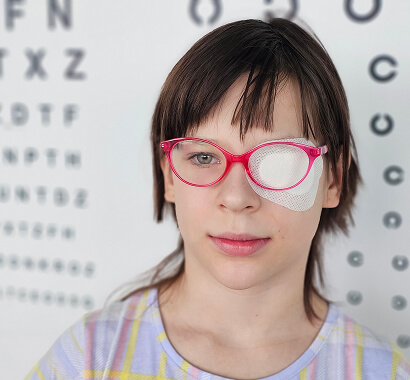
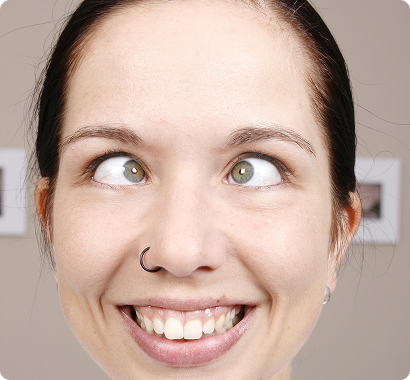
Many adults with strabismus (crossed or wandering eye) or amblyopia (poor vision in one eye) still experience issues as they age. While strabismus is often treated in childhood, it can persist or return in adulthood. That's why adult patients with these conditions benefit from seeing a pediatric ophthalmologist.
Pediatric ophthalmologists specialize in ocular motility disorders and offer both surgical and non-surgical treatments. Adults who develop double vision or misalignment later in life should consult a pediatric ophthalmologist to diagnose the underlying issue. Conditions like stroke, autoimmune disease, thyroid dysfunction, or cancer can all contribute to these disorders, and treatment can help improve the patient’s quality of life.
What to Expect During Your Visit
When you come in for an eye exam, please bring your current glasses or contact lenses and a list of medications you take. This helps us keep your medical record up to date.
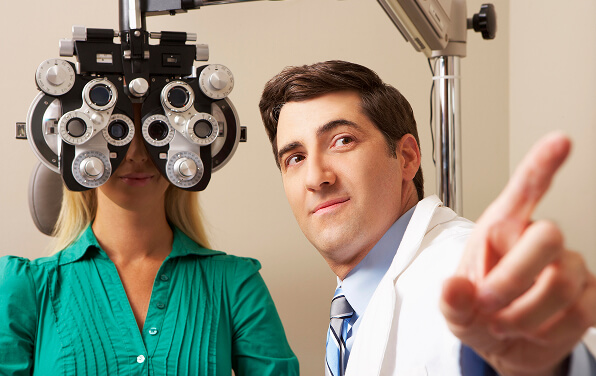
If you've booked a comprehensive eye exam, please allow 60 to 90 minutes for the visit, as we will need to dilate your eyes. Here’s what you can expect from a standard eye exam:
- Medical History: We will ask about your eye and general health to get a complete picture.
- Visual Acuity: We’ll check your ability to see at various distances.
- Refraction Test: This checks if you need glasses to achieve your best vision.
- Pupil Response: We will examine how your pupils react to light.
- Peripheral Vision: This tests if you have any loss in your side vision.
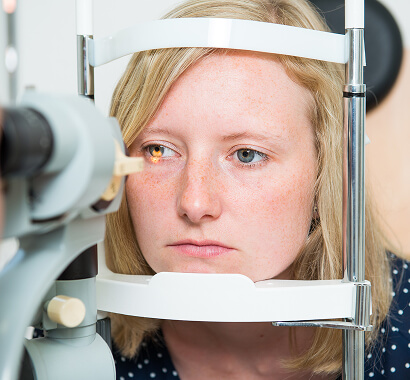
- Slit Lamp Exam: This allows us to look at the health of the front part of your eye, including your cornea.
- Intraocular Pressure: We will check your eye pressure to see if it’s at a normal level.
Dilated Eye Exam
As part of the comprehensive exam, we will dilate your eyes to get a better view of the inside and back of your eye. This helps us examine your retina, optic nerve, and lens health. Consider bringing a driver with you, as dilation can make driving to your next destination difficult.
Additional tests, such as visual field testing or high-resolution scans, may be performed depending on your results. These tests help us understand your eye health in more detail.
Post-Exam Instructions
After dilation, you may experience light sensitivity and difficulty seeing clearly for a few hours. To make this more comfortable, we offer disposable sunglasses or dark inserts for your glasses. We recommend not driving or operating heavy machinery until your vision returns to normal.
Please have someone drive you home after the exam, or wait until you feel comfortable enough to drive safely.
Eye health is important to us, and we strive to make every exam a thorough and informative experience. Please contact us if you have any questions about your exam or results. Our team is happy to help.