Blocked Tear Ducts (Nasolacrimal Duct Obstruction) in Children
Columbia Eye Associates, PA specializes in caring for children with blocked tear ducts, also known as nasolacrimal duct obstruction. This common condition can lead to persistent tearing, eye discharge, or infections.
While many cases resolve naturally, some children may need treatment. Our expert team is here to help identify the cause and provide gentle, effective solutions.
Read on to learn more about how we diagnose and manage this pediatric eye condition.
Understanding Nasolacrimal Duct Obstruction in Children
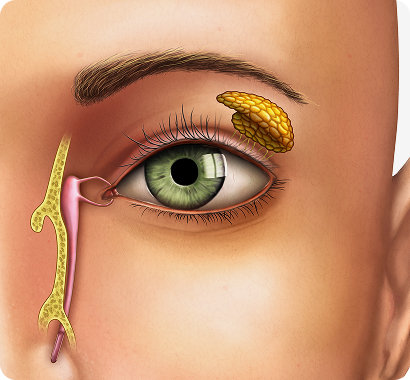
Nasolacrimal duct obstruction in children is a common condition where the tear duct, which drains tears from the eyes into the nose, becomes blocked. This blockage can cause tears to build up in the eye and lead to excessive tearing or "watery eyes."
The condition is often present at birth and occurs when the nasolacrimal duct does not fully open. In many cases, the obstruction clears on its own as the child grows. However, some children may require medical intervention to address the issue.
Children with nasolacrimal duct obstruction may also experience eye discharge or eye infections due to the tear buildup. While the condition is usually not serious, it can be uncomfortable for the child and concerning for parents. Early diagnosis and treatment can help manage the condition and prevent complications.
How We Treat Nasolacrimal Duct Obstruction in Children
Columbia Eye Associates, PA understands the challenges that come with nasolacrimal duct obstruction in children. Our team of experienced ophthalmologists is here to provide compassionate care and effective treatments to address the condition.
Treatment options vary depending on the severity of the blockage and the age of the child. Some common treatments for nasolacrimal duct obstruction include:
- Massage Techniques: In many cases, the first step in treatment involves gentle massage of the tear duct area. This technique can help open the duct and allow tears to drain properly. We provide guidance on how to perform the massage safely at home to promote drainage and relieve symptoms.
- Antibiotics: If an infection is present in the eye, we may prescribe antibiotic eye drops or ointments to treat the infection and prevent it from spreading. In some cases, oral antibiotics may be needed.
- Probing: If the blockage does not resolve with massage or antibiotics, we may recommend probing the nasolacrimal duct. This is a simple, non-invasive procedure where a small instrument is used to open the tear duct. Probing is typically performed in the office and does not require general anesthesia.
- Surgery: In rare cases, surgery may be necessary if other treatments do not work. Surgical options involve creating a new drainage path for the tears to bypass the blocked duct. Surgery is generally reserved for cases where the obstruction persists past the age of 12 months or causes significant symptoms.
Why Choose Columbia Eye Associates, PA?
At Columbia Eye Associates, PA, we are dedicated to providing high-quality, personalized care for children with nasolacrimal duct obstruction. Our team is experienced in treating pediatric eye conditions and understands the importance of making the treatment process as comfortable as possible for both children and their families.
We use the latest diagnostic tools and treatment methods to address nasolacrimal duct obstruction. Our goal is to help children with this condition experience relief and improve their quality of life. We work closely with parents to explain each treatment option and make sure that the child’s needs are met at every stage.