Cataracts in Children
Columbia Eye Associates, PA specializes in diagnosing and treating pediatric cataracts with precision and compassion. This guide explains the causes, symptoms, and treatments for cataracts in children. We aim to help parents understand what to expect and how our experienced team can support their child’s journey toward the clearer, healthier vision.
Understanding Pediatric Cataracts
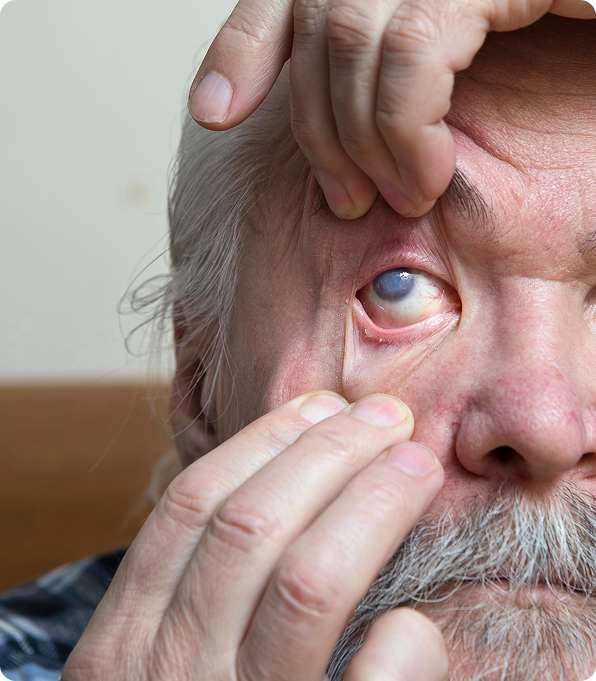
Pediatric cataracts are a condition where the lens of the eye becomes cloudy, impairing vision. Unlike cataracts in adults, which are typically associated with aging, pediatric cataracts occur in children, either at birth or later during childhood. This condition can affect one or both eyes, and in severe cases, it may cause permanent vision loss if left untreated.
There are several causes of pediatric cataracts, including genetic factors, trauma, or other underlying medical conditions. In some cases, the exact cause is unknown. Symptoms of pediatric cataracts may include difficulty seeing, a white or grayish appearance in the center of the eye, or the child squinting or having trouble focusing. Early diagnosis and treatment are key to helping children achieve the best possible vision.
How We Treat Pediatric Cataracts
Columbia Eye Associates, PA knows the importance of early intervention in treating pediatric cataracts. We deliver a range of treatments tailored to each child's unique needs.
The treatment plan may vary based on the severity of the cataract and the child’s age. However, it typically involves one or more of the following:
- Surgery: In most cases, surgery is necessary to remove the cloudy lens and restore clear vision. Pediatric cataract surgery is a delicate procedure that requires a highly skilled surgeon. Our ophthalmologists have extensive experience in performing cataract surgery on children. After the surgery, the child may need a replacement lens (intraocular lens or IOL) to help restore vision.
- Lens Replacement: Following surgery, we may recommend the use of contact lenses or eyeglasses to help the child achieve clear vision. In some cases, a lens implant may be placed in the eye during surgery to provide a permanent solution.
- Vision Therapy: After surgery, some children may need vision therapy to help strengthen the eye muscles and improve focusing ability. This is particularly important if there are other visual problems, such as strabismus (eye misalignment) or amblyopia (lazy eye), that can develop as a result of the cataracts.
- Post-Surgery Care: After cataract surgery, it is important for children to follow up with regular eye exams. These exams allow us to monitor their healing process and ensure the best possible results. In some cases, we may need to perform additional procedures to improve the child’s vision further.
Why Choose Columbia Eye Associates, PA?
At Columbia Eye Associates, PA, we bring the highest level of care for children with pediatric cataracts. Our team consists of highly trained and compassionate ophthalmologists and optometrists who specialize in pediatric eye care.
We understand the unique challenges that come with treating children’s vision. For this reason, we take the time to explain the treatment options clearly to parents. This guarantees that they feel informed and supported every step of the way.
Our experience and expertise allow us to offer personalized treatment plans that are specifically designed for each child. Whether surgery, post-surgery care, or vision therapy is needed, we are committed to delivering the best possible outcomes for your child’s eye health.