Strabismus Re-Operation & Revision Surgery
Strabismus surgery corrects eye misalignment, often significantly improving appearance and vision. However, sometimes, the first surgery does not fully correct the misalignment, or complications may arise.
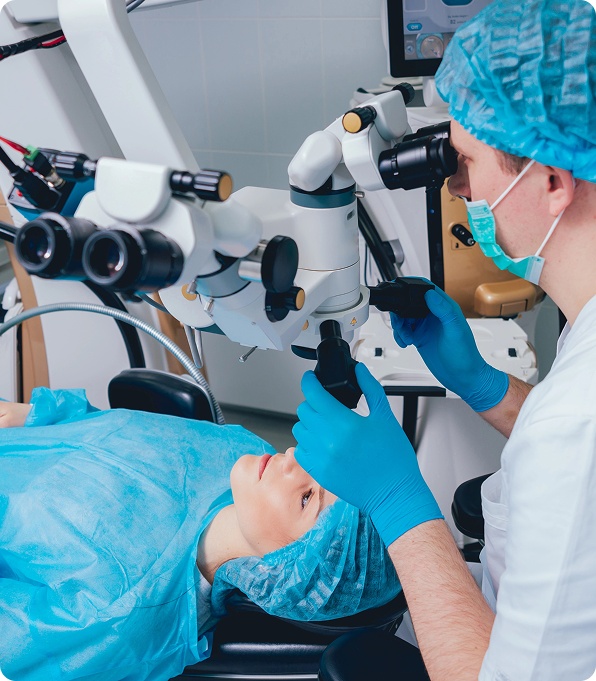
In such cases, a second surgery, or re-operation, may be required to refine the eye alignment. This procedure is done when the initial surgery does not achieve the desired results or when issues arise post-surgery.
Understanding Re-Operations After Previous Strabismus Surgery
Re-operations are typically considered when patients do not achieve full or lasting correction after the first strabismus surgery. Several factors contribute to the need for a re-operation. The muscle may not have been adjusted properly during the initial surgery, leading to residual misalignment.
In some cases, post-operative scarring or inflammation can prevent the eye muscles from functioning as intended, requiring additional surgery to correct the issue. Other reasons for a re-operation include improper healing, which may cause one of the muscles to slip or not hold its position. Additionally, changes in the patient’s vision over time, especially in growing children, may make adjustments necessary as they age.
While the risks of a reoperation are similar to those of the initial procedure, careful evaluation and monitoring can help ensure that the second surgery effectively addresses the underlying issues.
When Do You Need Re-Operations After Previous Strabismus Surgery?
There are several instances when a re-operation is necessary. Below are five situations in which you may need a second strabismus surgery:
- Residual Misalignment: Further correction may be needed when the eyes are still misaligned after the first surgery. This is common when the first surgery undercorrects or overcorrects the eye alignment.
- Slipped Muscle: Sometimes, the muscle may slip out of place after the surgery, leading to a misalignment of the eyes that requires additional surgery to fix.
- Scar Tissue Formation: Scar tissue can form after surgery, leading to further eye misalignment. In such cases, a second surgery may be needed to remove or adjust the scar tissue for improved alignment.
- Changes in Vision Over Time: Eye alignment may change as patients grow, especially in younger patients. Re-operation may be required as the muscles and vision continue to develop.
- Complications from Previous Surgery: In rare cases, complications from the first surgery, such as infection, retinal damage, or muscle loss, can lead to the need for additional surgery to address these issues.
Why Choose Columbia Eye Associates?
We understand the importance of precise and effective treatment to help our patients achieve the best possible outcomes. Our team is committed to providing personalized care, ensuring that every patient receives the attention and support they need throughout their journey. We use advanced technology and the latest surgical techniques to enhance the accuracy and success of each procedure.
Our skilled ophthalmologists and optometrists are dedicated to helping you regain optimal eye alignment. We focus on creating a welcoming and comfortable environment for all our patients, guiding them through every step of the process. If you need a re-operation after strabismus surgery, our team will work closely with you to design a treatment plan that best meets your needs.
For more information about re-operations after previous strabismus surgery in Lake City, Live Oak, and Gainesville, FL, please fill out our contact form, and we’ll be in touch shortly.