Cranial Nerve Palsies Affecting Eye Movement
Cranial nerve palsies occur when one or more of the cranial nerves become damaged, affecting movement or sensation in areas such as the face or eyes. The cranial nerves are responsible for a wide range of functions, including muscle control, sensory processing, and even vision management.
This condition can cause various symptoms, including drooping eyelids, double vision, or difficulty with facial expressions. We understand the importance of promptly diagnosing and treating cranial nerve palsies to prevent further complications and improve quality of life.
Understanding Cranial Nerve Palsies
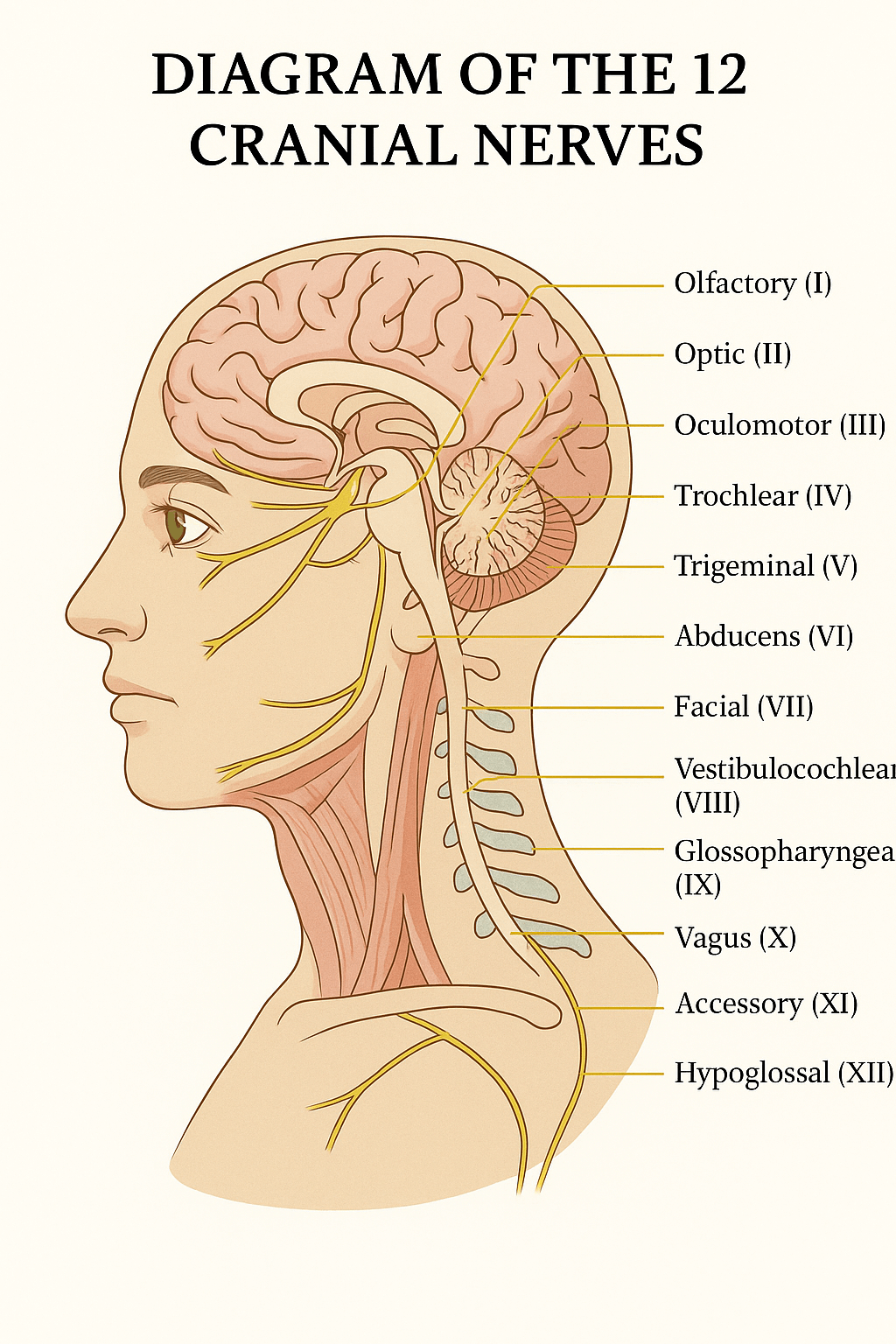
Cranial nerve palsies involve the disruption of one or more of the 12 cranial nerves that connect the brain to different parts of the body. These nerves control functions such as eye movement, facial muscle movement, and sensory signals.
When these nerves are damaged, it can result in weakness, paralysis, or altered sensations in affected areas. The causes behind cranial nerve palsies can vary widely and may include conditions such as infections, diabetes, trauma, or neurological diseases.
The most common type of cranial nerve palsy includes third, fourth, and sixth nerve palsies, often affecting eye movement and coordination. For example, third nerve palsy can lead to a drooping eyelid, double vision, or difficulty moving the eye.
Damage to the sixth nerve may make moving the eye outward difficult, leading to double vision. A proper diagnosis is necessary to determine the underlying cause and implement an effective treatment plan to manage symptoms and improve the patient's quality of life.
When Do You Need Treatment For Cranial Nerve Palsies?
While some cases of cranial nerve palsies resolve on their own, there are instances when medical intervention is necessary to manage symptoms and improve overall health. Treatment should be sought when:
- You experience persistent double vision or difficulty focusing.
- Your eyelid droops, or you have trouble moving your eye.
- You notice sudden or unexplained facial weakness or numbness.
- Symptoms become progressively worse over time.
- You have a history of conditions like diabetes or high blood pressure that may contribute to
nerve damage.
Columbia Eye Associates assesses each situation individually to create a tailored treatment plan that addresses the root cause of cranial nerve palsies. Our team works closely with you to monitor symptoms and recommend the best course of action for relief and recovery.
Why Choose Columbia Eye Associates?
We are dedicated to offering high-quality care for all of our patients. Our team of skilled professionals, including ophthalmologists and optometrists, collaborates to provide comprehensive eye care and effective treatments for cranial nerve palsies. We utilize the latest diagnostic technology to accurately assess nerve function and ensure that each patient receives the best possible care.
We pride ourselves on our personalized approach to care. We take the time to understand your specific needs and concerns, ensuring that your treatment plan aligns with your lifestyle and goals. From the moment you walk through our doors, you will experience a welcoming environment where you feel
heard and cared for.
If you need diagnostic testing or specialized treatment, we are here to guide you toward better eye health and improved well-being.
For more information about treating cranial nerve palsies in Lake City, Live Oak, and Gainesville, FL, please fill out our contact form, and we will be in touch shortly.